

Table of Contents
Recent Posts
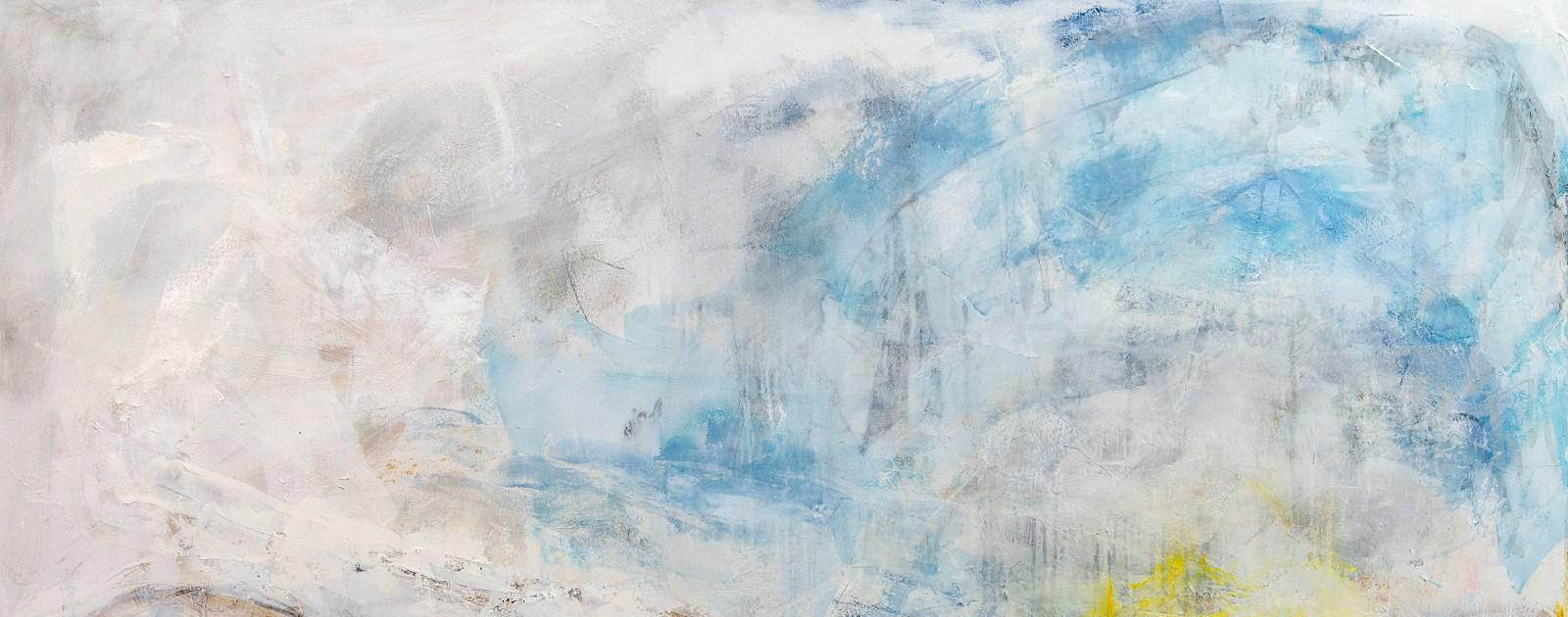

Abstract art
Abstract art uses visual language of shape, form, color and line to create a composition which may exist with a degree of independence from visual references in the world.
Abstraction indicates a departure from reality in depiction of imagery in art. This departure from accurate representation can be slight, partial, or complete.
Total abstraction bears no trace of any reference to anything recognizable. In geometric abstraction, for instance, one is unlikely to find references to naturalistic entities. Figurative art and total abstraction are almost mutually exclusive. But figurative and representational (or realistic) art often contain partial abstraction.
Both geometric abstraction and lyrical abstraction are often totally abstract. Among the very numerous art movements that embody partial abstraction would be for instance fauvism in which color is conspicuously and deliberately altered vis-a-vis reality, and cubism, which alters the forms of the real-life entities depicted.
Origins
Western art had been, from the Renaissance up to the middle of the 19th century, underpinned by the logic of perspective and an attempt to reproduce an illusion of visible reality. By the end of the 19th century many artists felt a need to create a new kind of art which would encompass the fundamental changes taking place in technology, science and philosophy. The sources from which individual artists drew their theoretical arguments were diverse, and reflected the social and intellectual preoccupations in all areas of Western culture at that time.
Early days of abstract art
During the 1912 Salon de la Section d’Or, where František Kupka exhibited his abstract painting Amorpha, Fugue en deux couleurs (Fugue in Two Colors) (1912), the poet Guillaume Apollinaire named the work of several artists including Robert Delaunay, Orphism. He defined it as, “the art of painting new structures out of elements that have not been borrowed from the visual sphere, but had been created entirely by the artist…it is a pure art.”
Abstraction World In World Wars Era
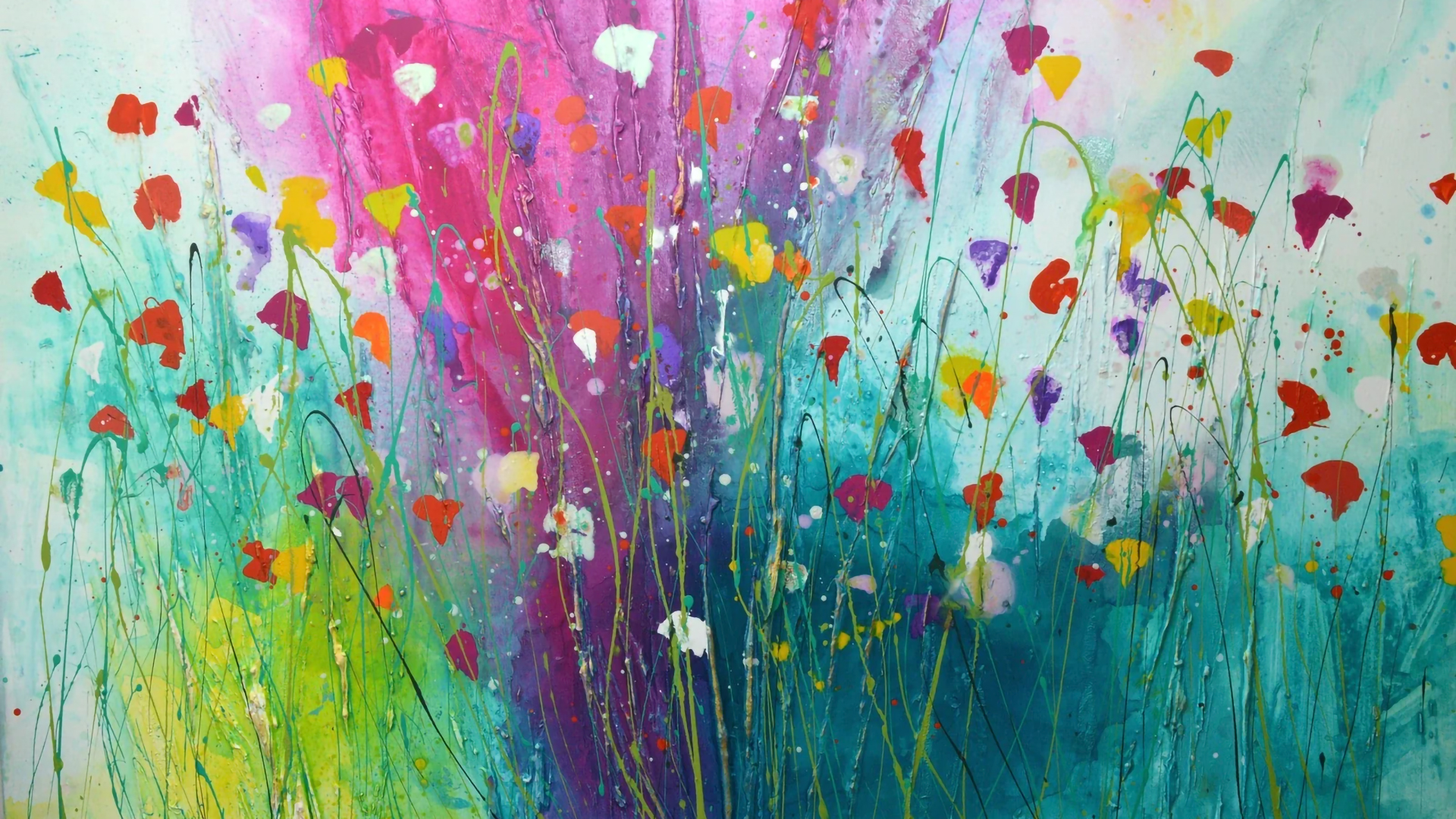
Abstract art did not flourish between World Wars I and II. Beset by totalitarian politics and by art movements placing renewed emphasis on imagery, such as Surrealism and socially critical Realism, it received little notice. But after World War II an energetic American school of abstract painting called Abstract Expressionism emerged and had wide influence. Beginning in the 1950s abstract art was an accepted and widely practiced approach within European and American painting and sculpture. Abstract art puzzled and indeed confused many people, but for those who accepted its nonreferential language there is no doubt as to its value and achievements. See also modern art.
Music
Abstract art wasn’t just a movement only for visual art, it affected music as well. An art form which uses the abstract elements of sound and divisions of time. Wassily Kandinsky, himself an amateur musician, was inspired by the possibility of marks and associative color resounding in the soul. The idea had been put forward by Charles Baudelaire, that all our senses respond to various stimuli but the senses are connected at a deeper aesthetic level.
To name a few musics I would recommend:
Songs of the Black Hole and the bass7,999.
Pulsating bass of the Nether5,969.
Song of the Black Hole Reprised4,426.
Hypnotic Void of the Nether In Nature – Maximilian’s Regret5,906.
Selected artists
Some artists who have worked and developed Abstract Art are :